A patient doesn’t think in terms of “engagement strategies.”
They think in moments.
The moment they try to book an appointment.
The moment they wait for a reminder.
The moment they wonder, “What should I do next?” after a consultation.
These moments are small, but they shape how patients feel about your hospital.
If those moments are smooth and supportive, patients feel confident.
If they’re unclear or silent, patients feel disconnected.
Most hospitals don’t lose patients because of poor care.
They lose them in these quiet, in-between moments.
This is where healthcare CRM software makes a real difference—not by adding complexity, but by making sure those moments are handled consistently.
Engagement Is Not About Doing More—It’s About Not Disappearing
Patients don’t expect hospitals to constantly reach out.
But they do expect not to be forgotten.
When communication stops after a visit, patients are left to figure things out on their own.
Over time, that silence creates distance.
A thoughtful crm for healthcare industry helps hospitals stay present in simple ways—just enough to remind patients that support is still there.
What Patients Actually Want (But Rarely Say)
Most patients won’t tell you they need reminders.
They won’t say they want follow-ups.
But their behavior shows it.
They:
- Miss appointments
- Delay follow-ups
- Forget treatment steps
- Switch providers when things feel easier elsewhere
Not because they don’t care—but because life gets busy.
A good patient relationship management system quietly supports them without making them ask.
1. Reminders That Respect Real Life
People forget things. That’s normal.
A well-timed reminder can be the difference between a missed appointment and a completed one.
But tone matters.
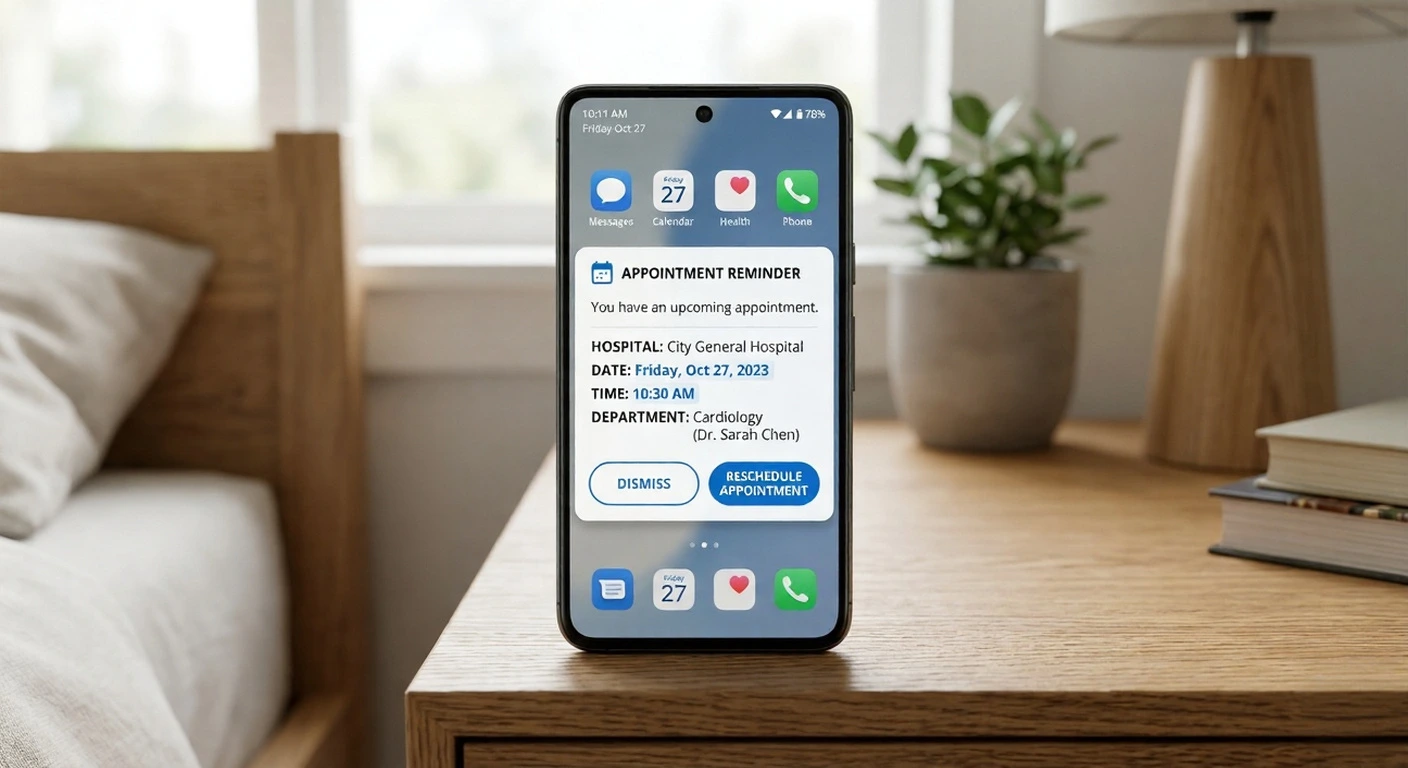
A crm for hospitals and clinics helps send reminders that feel helpful, not demanding:
- Sent at the right time
- Clear and easy to understand
- With simple options to reschedule
For patients, this feels like support—not pressure.
2. Follow-Ups That Feel Like a Check-In, Not a Task
After a visit, patients often sit with uncertainty.
“Am I recovering properly?”
“Should I be feeling this way?”
A simple message can ease that.
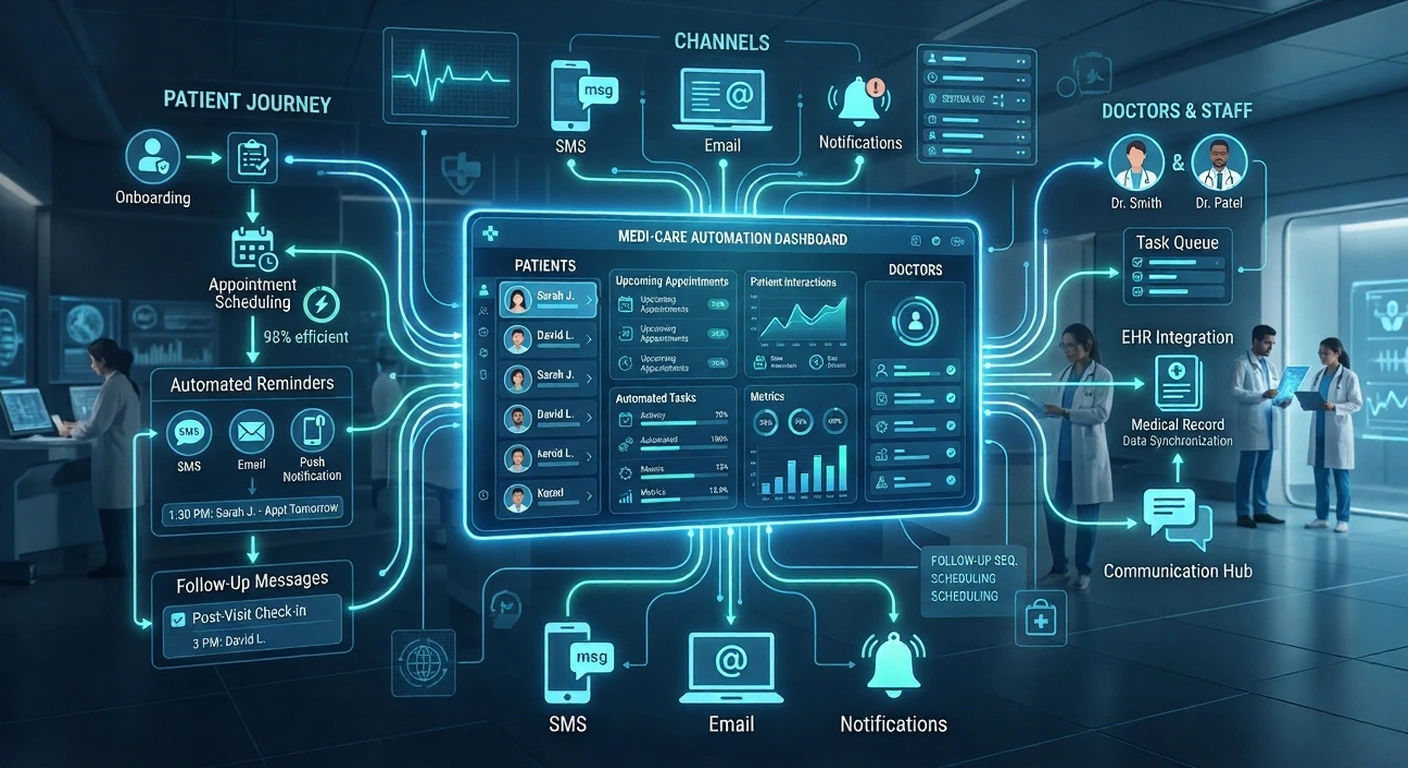
A medical CRM platform ensures every patient receives a follow-up.
It doesn’t have to be long or detailed.
Sometimes, a short check-in is enough to make patients feel cared for.
3. Communication That Feels Thoughtful, Not Generic
Patients can tell when a message is sent to everyone.
And they can tell when it’s meant for them.
With patient engagement software, hospitals can send communication that reflects the patient’s situation:
- Relevant reminders
- Condition-specific tips
- Personalized follow-ups
That relevance is what makes patients pay attention.
4. Staying in Touch Without Becoming Noise
There’s a fine line between helpful and overwhelming.
Too many messages, and patients tune out.
Too few, and they forget you exist.
A balanced crm for healthcare industry approach ensures:
- Communication happens when it matters
- Messages are spaced naturally
- Patients never feel bombarded
It’s about being present, not persistent.
5. Making the Next Step Obvious
One of the biggest reasons patients disengage is simple:
They don’t know what to do next.
A crm for hospitals and clinics removes that uncertainty:
- Clear follow-up reminders
- Easy booking links
- Simple instructions
When patients don’t have to think too much, they’re more likely to act.
6. Helping Patients Stay on Track Without Effort
Healthcare plans often require consistency.
But patients are human—they forget, delay, and get distracted.
A patient relationship management system helps them stay on track:
- Medication reminders
- Follow-up schedules
- Preventive care alerts
From the patient’s side, it feels like quiet support in the background.
7. Listening Without Making It Complicated
Patients are more willing to share feedback when it’s easy.
A medical CRM platform can ask simple questions at the right time:
- After an appointment
- After treatment
- After an interaction
This makes feedback feel natural, not like a formality.
8. Keeping the Relationship Alive Over Time
Not every patient needs frequent care.
But that doesn’t mean the relationship should disappear.
With patient engagement software, hospitals can:
- Stay in touch occasionally
- Share useful, relevant updates
- Remind patients about routine care
This keeps your hospital familiar—even after long gaps.
9. Catching the Patients Who Might Slip Away
In a busy hospital, it’s easy to miss small things.
A missed follow-up. A delayed appointment. A patient who didn’t return.
With healthcare workflow automation, these gaps are noticed:
- Missed appointments trigger reminders
- Delayed actions are flagged
- Follow-ups happen automatically
This ensures no patient is unintentionally left behind.
10. Building Trust Through Consistency
Trust doesn’t come from one great experience.
It comes from many small, reliable ones.
A dependable crm for healthcare helps hospitals:
- Show up consistently
- Communicate clearly
- Support patients at the right moments
Over time, this builds a sense of reliability.
And patients return to what feels reliable.
What This Feels Like for Patients
When Things Go Well
They don’t think, “This hospital has a great system.”
They think, “This was easy.”
When They Need Help
They don’t feel lost.
They feel guided.
When Time Passes
They don’t forget your hospital.
They remember it when they need care again.
Why These Strategies Work
Because they match real human behavior.
People:
- Forget appointments
- Delay decisions
- Appreciate reminders
- Value simplicity
CRM automation doesn’t try to change that.
It supports it.
That’s why healthcare CRM software works so well—it fits into how patients already live their lives.
Choosing the Right CRM for Patient Engagement
To make these strategies effective, your system should:
- Keep Patient Data Safe
A HIPAA compliant CRM ensures trust is never compromised.
- Be Simple for Your Team
If your staff finds it easy, they’ll use it consistently.
- Automate the Right Things
Follow-ups, reminders, and communication should happen without manual effort.
- Fit Into Your Daily Workflow
It should support your process, not disrupt it.
A More Natural Way to Stay Connected
Patient engagement doesn’t need to feel like a strategy.
It should feel like a natural extension of care.
A well-designed crm for healthcare helps hospitals stay connected in ways that feel human, not mechanical.
If you want to see how this works in real scenarios, you can explore this solution for crm for hospital and clinics built to improve patient communication and engagement.
Conclusion
Patients don’t expect hospitals to do everything.
But they do expect them to stay connected.
A reminder at the right time.
A follow-up when it matters.
A simple message that says, “We’re here.”
These are small things.
But they change how patients experience your hospital.
With the right crm for hospitals and clinics, these small things happen consistently.
Consistency is the Key to Better Patient Engagement
And consistency is what turns occasional visits into lasting relationships.
If you want patients to stay engaged, the goal isn’t to do more.
It’s to stay consistent.
A modern crm for hospitals and clinics helps you stay connected with patients in a way that feels natural, simple, and reliable.
Book a demo today and see how CRM automation can help you create better patient experiences.